HOW TO SELL YOURSELFLearn how to sell yourself in a job interview
Having presentation or interpersonal skills is not the same as knowing how to sell yourself in an interview. If you do not know how to sell yourself, you can’t help prospective employers. Plus, you may find it very challenging to receive employment offers and/or to negotiate your salary.
Change your thinking. The idea of using sales skills in an interview often brings up negative thoughts. The fact of the matter is that it is an essential interaction that is necessary for your success in securing new employment.
It’s ok to negotiate. Your expertise has a monetary value. There is a time and a place for negotiations, offers, and incentives. Make sure you don’t sell yourself short. You exchange your experience, training, knowledge and insight for monetary rewards. Think of your services as and yourself as a product available for purchase. Show the prospective employers why they need you. Learn how to interact with a potential employer, so that they realize you can help them. This means showing them, rather than telling them about your skills and knowledge. Having a professional portfolio in hard copy or online, can demonstrate your skill set in a way that prospective employers come to their own conclusions about your capabilities. Keep in mind that you are selling a product. The combination of your experience, knowledge, and skillset is your product; your resume and your interactions demonstrate a taste of things to come. Believe in yourself. SELL yourself. Acknowledge your personal strengths and demonstrate them to prospective employers. Help them recognize your passion and interest in learning, helping, cooperating, and applying your skills. Once you believe that you are are adding value and are capable of delivering the goods, it shines through to others. About the authorMandy Fard is a Certified Professional Resume Writer (CPRW) and Recruiter with decades of experience in assisting job seekers, working directly with employers in multiple industries, and writing proven-effective resumes.
0 Comments
How to Answer "Tell Me About Yourself"
One of the most common questions asked during a job interview is “Tell me about yourself.” Many job seekers assume the interviewer is simply asking for a summary of their resume. In reality, the purpose of this question is much broader.
The interviewer may or may not have read your resume thoroughly. This first question is rarely intended as a request for a chronological explanation of your career path or a list of accomplishments. Instead, it allows you to set the tone of the interview and introduce yourself professionally. At this early stage of the conversation, the interviewer observes more than your words. Your tone, demeanor, and overall presence communicate just as much as the information you share. You may come across as nervous, confident, professional, demanding, courteous, relaxed, uncomfortable, curious, or careless. Every one of these signals contributes to the impression you create. As you project your personality and professionalism through your behavior, you begin shaping the atmosphere of the interview. For this reason, the “tell me about yourself” interview question often functions as an icebreaker that reveals how a candidate presents themselves under pressure. Understanding how to answer “tell me about yourself” effectively can help you begin the interview with confidence and position yourself as a strong candidate from the very start. Answering "Tell Me About Yourself" - Recruiter's Advice
I have interviewed more than a few thousand job seekers. My icebreaker questions varied often. For example:
During interviews, I might ask one of these questions or a combination of them. They often serve the same purpose. I wanted to see how a candidate presents themselves when they know they only have a short moment to speak. How do they conduct themselves while answering the first question of the interview? Within the first few minutes, I would begin forming an impression about the person’s overall vibe. An open-ended question at the beginning of the conversation naturally sets the tone. It also makes it easier to distinguish between candidates who are applying for the same position. In many cases, the vibe was almost as important as the quality of the answer. A brilliant answer delivered with a negative attitude rarely left a positive impression. The reality is that interviewers sometimes decide whether they want to continue the conversation after hearing the response to this simple icebreaker: “Tell me about yourself.” There are almost as many ways to answer this question as there are people. However, a great deal can depend on the impression you create in those first moments. Learning how to answer the “tell me about yourself” interview question effectively can open more doors and give you an advantage over other candidates. 1. Be receptive
When answering the “tell me about yourself” interview question, it helps to project a receptive and calm demeanor. Employers evaluate your qualifications, but they also observe how you interact in a professional setting. A defensive or guarded tone can create unnecessary tension during the conversation.
Maintain a relaxed posture, listen carefully, and respond thoughtfully. A receptive attitude reflects emotional intelligence and professionalism. Hiring managers often look for these qualities during the interview process. Remaining calm and open allows your response to sound natural and confident. When the conversation flows comfortably, the interviewer gains a clearer sense of how you might communicate and collaborate within the organization. a. Stand out from the crowd
Present yourself well so the interviewer understands what sets you apart from other candidates. When you outline your competencies and explain how they align with the requirements of the role, you make it easier for the interviewer to see your potential value.
Many job seekers struggle to talk about themselves in these situations. With preparation and thoughtful positioning, you can use this opportunity to highlight your strengths and demonstrate why your background fits the role. This moment often becomes one of the best opportunities to differentiate yourself from the competition. b. Body language
Body language plays a powerful role in job interview success. Long before you finish answering the "Tell me about yourself" interview question, your posture, eye contact, and gestures already communicate important signals.
Sit upright and lean slightly forward to show engagement. Maintain comfortable eye contact with the interviewer. Avoid crossing your arms, fidgeting, or frequently looking away, since these habits can signal discomfort or lack of confidence. A firm handshake, steady voice, and controlled hand movements reinforce the impression that you are confident discussing your professional background. Strong body language supports your message and helps the interviewer see you as composed, trustworthy, and ready to represent the organization. c. Pay attention to your facial expressions
Facial expressions during an interview can reveal more than you may realize. Even carefully prepared answers can be undermined by subtle reactions such as raised eyebrows, forced smiles, or visible frustration.
Maintain a natural and attentive expression throughout the conversation. A genuine smile, a slight nod while listening, and relaxed facial muscles communicate confidence and approachability. Because facial expressions often occur automatically, practicing your responses in front of a mirror or recording yourself can help you become more aware of how you appear during the interview. d. Show your ability to guide this topic
Show that you can choose the right moment to highlight key points about your experience. Preparation allows you to answer confidently without appearing caught off guard.
A strong response to the "Tell me about yourself" interview question usually invites follow-up questions. When the interviewer becomes curious and wants to explore certain topics further, the conversation develops naturally. If your answer includes too many details, the interviewer may feel that every possible topic has already been covered. Leaving room for discussion helps create a more engaging interview. e. Prepare for hypothetical questions
Most people do not regularly discuss hypothetical scenarios or long-term career plans in everyday conversations. As a result, questions about future goals can feel unfamiliar during a structured interview.
Questions such as “What are your five-year plans?” often appear during the same conversation as the "Tell me about yourself" interview question. Preparing concise answers in advance can help you respond clearly. An authentic and well-prepared response often resembles an elevator pitch. If your elevator pitch sounds natural and conversational, it leaves a strong impression. With practice, your answers will feel fluid and confident rather than rehearsed. 2. Focus on answering the question
A thoughtful response to the "Tell me about yourself" interview question should remain focused and professional. Many candidates begin sharing their entire career history or personal background. That level of detail rarely helps the conversation move forward.
Employers want to understand how your experience, skills, and accomplishments relate to the role they are trying to fill. A concise answer shows strong communication skills and respect for the interviewer’s time. Keeping your response focused also allows the interviewer to guide the discussion toward topics that matter most for the position. a. Do not get personal
Employers want to determine whether you can perform the job and whether you will fit within the company’s mission and culture.
Keep your answer professional. Avoid discussing personal background, family matters, or unrelated life details. Focus on explaining how your experience prepares you for the role and how you could contribute to the organization. b. Practice your answers
Write your response down beforehand. During the interview, you often have about a minute to communicate your key points.
Practicing on paper allows you to organize your thoughts and avoid unnecessary tangents. This preparation helps you stay focused while answering the "Tell me about yourself” interview question. c. Be realistic
The interviewer is another human being. Speak naturally and avoid sounding robotic.
A conversational tone makes your answers easier to follow. Personality and authenticity often leave a stronger impression than perfectly rehearsed responses. d. A customized approach works best
Customize your resume. Your resume should never follow a one-size-fits-all approach. Your interview answers should not follow that approach either.
Before the interview, read the job advertisement carefully. Pay attention to the employer’s priorities and the competencies they emphasize. You may choose to highlight your experience in client relations, training others, leadership, or project management, depending on the requirements of the role. e. Talk about your achievements
This moment allows you to highlight meaningful accomplishments. Share what former managers, colleagues, clients, or vendors have said about your contributions.
Positive feedback from people you worked with demonstrates your ability to build professional relationships and collaborate effectively. f. Learn to tell your work story
You are more than your resume. Create a professional Interview Brag Book and present your most impressive achievements with confidence.
When you share your professional story clearly and strategically, you encourage the interviewer to explore your accomplishments further. g. Leave room for curiosity
Your answer should serve as an introduction rather than a speech. The conversation works best when the interviewer has room to ask questions.
Recruiters often feel overwhelmed when a candidate tries to deliver their entire career history in response to the first question. I remember one job seeker who spoke continuously without pausing while answering the “Tell me about yourself” question. He shared so many details about every position he had held that there was very little left to ask. At the end of his answer, I simply said, “Thank you very much. Now I know everything I needed to know from the day you joined the workforce as an Intern until today. I understand why you joined each company, why you left, what you learned, and so on. I do not have any additional questions. Thank you. We will call you.” Be Prepared as You Walk into Your Next Job Interview
Your professional skills and behavior during an interview matter greatly. Preparation before the interview can also set you apart from other candidates.
Researching the company allows you to tailor your answers and demonstrate genuine interest in the organization. This preparation also improves your ability to answer the "Tell me about yourself" interview question in a way that connects your experience with the company’s goals. 1. Review the company’s website and “About” page
Start by visiting the company’s website and reading the About section carefully. This page often explains the organization’s mission, leadership team, and core values.
Understanding how the company presents itself publicly helps you align your interview responses with its priorities. 2. Search for recent company news
A simple Google search can reveal press releases, new partnerships, recent hires, product launches, or expansion plans.
Mentioning these developments during the interview shows preparation and genuine interest in the organization. 3. Watch company videos on YouTube
Many companies publish promotional videos, leadership messages, and product demonstrations on YouTube.
These videos can provide valuable insight into the company’s communication style, culture, and priorities. 4. Explore the company’s LinkedIn page
Visit the company’s LinkedIn page and review recent updates and announcements. Pay attention to themes that appear frequently in their posts.
Topics such as innovation, employee development, or community involvement can provide useful context for your interview answers. 5. Review employee profiles on LinkedIn
Reviewing employee profiles can reveal patterns in education, career paths, and professional experience within the organization.
This research may help you understand how your own background fits within the company. 6. Study the interviewer’s LinkedIn profile
If you know who will interview you, review their LinkedIn profile beforehand.
Learning about their career background, interests, and professional journey may help you establish rapport during the interview. 7. Search the interviewer’s name on Google
A Google search may reveal conference appearances, articles, or professional contributions from the interviewer.
These insights can provide helpful context about their expertise and interests. 8. Compare multiple versions of the job description
Sometimes the same job posting appears on different job boards with slightly different descriptions.
Finding additional versions of the job description may reveal responsibilities or priorities that were not included in the original posting. 9. Identify the previous person in the role
LinkedIn may help you identify the person who previously held the position. Reviewing their background can provide clues about the company’s expectations and how the role has evolved.
10. Read employee reviews carefully
Employee review websites can offer insight into company culture, leadership style, and employee satisfaction. Individual opinions may vary, but repeated themes often provide a useful perspective.
11. Prepare intelligent questions for the interview
Effective research allows you to prepare thoughtful questions that demonstrate curiosity and professionalism.
Questions about team priorities, upcoming projects, or company growth signal that you are already thinking about how you can contribute. Final Thought
Learning how to answer the “Tell me about yourself” interview question can dramatically influence the outcome of a job interview. A thoughtful response allows you to introduce your professional story, highlight your strengths, and create a strong first impression.
When preparation, confident communication, and genuine enthusiasm come together, the interview becomes a meaningful conversation rather than a stressful interrogation. Employers evaluate qualifications, but they also imagine what it would be like to work with you. A clear and confident introduction helps them see the value you could bring to their team and increases your chances of moving forward in the hiring process. Recommended ReadingAbout the AuthorMandy Fard is a Certified Professional Resume Writer (CPRW, CMRW) and Recruiter with decades of experience in assisting job seekers, working directly with employers in multiple industries, and writing proven-effective resumes. How to Negotiate Your Salary With Confidence After a Job Offer or Raise Request
Negotiating your salary is a stage that comes either after a job offer has been extended or after you ask for a raise. Now it’s time to negotiate and you must learn HOW TO NEGOTIATE YOUR SALARY.
To begin, confidence is important in negotiations. You’ve probably heard the phrase, “Negotiate from a position of strength.” Strength comes from confidence. Confidence is built when you:
The most important thing to remember about salary negotiations is that most salaries are negotiable. That doesn’t mean you name a figure and the company either matches it or not. It means you’re ready to listen to what the company has to offer and give it consideration. Just remember to have realistic expectations and realize that you may not get everything you want. The most important thing to remember about salary negotiations is that most salaries are negotiable. That doesn’t mean you name a figure and the company either matches it or not. It means you’re ready to listen to what the company has to offer and give it consideration. Just remember to have realistic expectations and realize that you may not get everything you want. Preparing for a Successful Salary Negotiation
Effective salary negotiation doesn’t happen by chance—it’s the result of thoughtful preparation and a clear understanding of both your value and the employer’s perspective. Before discussing numbers, it’s essential to approach the conversation strategically rather than emotionally. Preparation allows you to negotiate from a position of confidence, ensuring that your requests are grounded in facts, market realities, and your unique contributions.
A successful negotiation balances listening and advocacy. While it’s important to communicate your expectations, it’s equally critical to understand how compensation decisions are made and what constraints may exist. Employers consider a wide range of factors when determining salary, and knowing how to navigate those factors strengthens your ability to present a compelling case. The sections that follow outline five foundational elements that influence negotiation outcomes. Together, they provide a practical framework for researching your market value, understanding employer priorities, communicating your request effectively, choosing the right moment to negotiate, and defining what success looks like for you. Mastering these areas will help you enter salary discussions prepared, professional, and positioned for a productive outcome—regardless of whether you’re negotiating a new offer or requesting a raise. 1. Do Your Homework
When you’re buying any major item (house, car, big screen television), it’s important to do your homework and find out the value of the item. It’s also important to do your homework when negotiating a salary or a raise.
Research your market value and what you’re worth for your position, level of experience, and industry. In addition to online salary sites, you can get information from your professional or trade association. Research the prospective employer and its salary structure. If possible, talk to current or former employees. Alumni of your college or university who hold similar positions or who are employed by the same company may provide you with useful information. (LinkedIn can be a good source of contacts for this.) One of the easiest ways to find out salary information is online. There are websites that offer solid salary information, including: Bureau of Labor and Statistics (wage data by area and occupation) http://www.bls.gov/bls/blswage.htm Occupational Outlook Handbook (earnings) http://www.bls.gov/oco/ CareerOneStop Salary and Benefits Information http://www.careeronestop.org/toolkit/Wages/wages.aspx U.S. Office of Personnel Management Salaries & Wages (federal salary information) http://www.opm.gov/policy-data-oversight/pay-leave/ Salary.com (offers free data and personalized salary reports for a fee) http://salary.com/ Payscale.com (requires you to contribute data in order to receive information) http://www.payscale.com/ Glassdoor.com (requires you to contribute data in order to receive information) http://www.glassdoor.com/Salaries/index.htm SalaryExpert.com (neat feature: allows you to search jobs by pay range) http://www.salaryexpert.com/ JobSmart Salary Surveys (site can be hard to navigate, but offers links to industry-specific salary surveys) http://jobstar.org/tools/salary/index.php Robert Half International Salary Guides (accounting, finance, financial services, technology, legal, creative positions, administrative jobs) http://www.rhi.com/salaryguides You can also do a Google search for “average salary for (job title).” This can sometimes lead you to more specific salary data for a profession. When using sites like Payscale.com and Salary.com, compare job responsibilities, not job titles. A job title can mean different things at different companies. If you are relocating, part of your research should include cost-of-living adjustments. You can use Forbes' Cost of Living Calculator (https://www.forbes.com/advisor/mortgages/real-estate/cost-of-living-calculator) to assess and compare the cost of living between different US cities, and determine if you will be able to maintain your current standard of living. Also, click here if you need relocation cover letter exmaples. 2. Understand the employers’ decision-making parameters
It can also help to understand what a prospective employer considers when deciding about a salary. The employer may evaluate:
3. Know How to Ask
When negotiating your pay, don’t name a figure that is absurdly optimistic, and be careful not to risk naming a figure that is lower than what the company is ready to offer. Instead of naming a price, say something like, “Based on my experience and skills, and the demands of the position, I’d expect to earn an appropriate figure".
You may also ask for additional responsibility — for example, a chance to lead projects or a task force. This gives you the opportunity to position yourself for a raise in the future, as higher-level responsibilities merit higher pay. Prepare Supporting Documentation When asking for a raise, provide written materials to back up your salary request. This can include salary data from websites, previous performance evaluations, letters of recommendation, and job postings for similar positions. If you haven’t been keeping a “brag file,” now is the time to start. Keep a journal of your work accomplishments, letters of commendation from your boss, testimonial letters from customers, and awards. Identify what makes you different (and/or “irreplaceable”) from other candidates or employees. When asking for a raise, prepare a 1- to 5-page document outlining what you’ve accomplished (including testimonials, either from other employees or excerpted from performance reports or project status updates) and your salary research. Make a list of your work achievements and quantify the value to the company (in terms of numbers, percentages, and dollar figures). This provides concrete data for why you’re valuable to the company. Be prepared (with examples) of projects you’ve completed that generated revenue, or saved the company money, or solved a specific problem. Focus on what you’ve done to create positive changes in the company, manage unruly employees or customers, build relationships (internally and externally), and avert disaster. You need to justify your raise. Also, highlight what you’re working on right now (especially the impact these efforts will have on the company in the near future). Outline your goals for the next year — what are your priorities and what will they contribute to the company? When you negotiate with a busy person, make it easy for them. If you come in with a fully fleshed-out document supporting your raise, you make it easy for them to say yes. Approach your preparation with this thought in mind: If I were receiving this information, what would make me want to say yes to the request? Consider using a free service like Get Raised (http://www.getraised.com) to help you develop your case for your raise. It will help you articulate your value to the company and creates a letter that you can submit as a raise request. And be sure to “dress for success” in your request-for-a-raise meeting. 4. Have the Right Timing
Find out how raises are typically handled in your company. Are they given out at a specific time each year? Are they merit- or performance-based, or fixed cost-of-living raises?
A good time to approach your boss for a raise is when you’ve had a major accomplishment (such as bringing in new business or finishing a key project), when you’ve taken on significant additional responsibilities, or when you’ve earned recognition for your work. 5. Know What You Want
Here are some things to think about:
Final Thought
Salary negotiation is not about demanding more; it’s about clearly communicating your value and understanding how that value aligns with an employer’s needs and constraints. When you approach negotiations prepared, informed, and confident, you shift the conversation from emotion to strategy. Doing your homework, choosing the right timing, and supporting your request with measurable achievements allows decision-makers to see your request as reasonable and justified rather than risky.
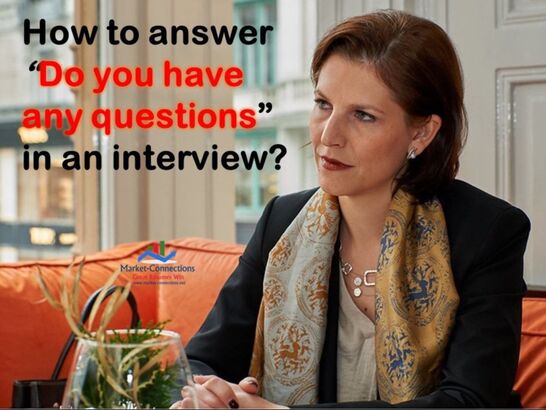
It’s equally important to remember that compensation goes beyond base pay. Flexibility, growth opportunities, responsibilities, and long-term career trajectory all play a role in overall job satisfaction. Even when negotiations don’t result in everything you hoped for, the process itself builds confidence and positions you more strongly for future discussions. Ultimately, successful salary negotiation is a skill that improves with practice, and mastering it can have a lasting impact on your earning potential and career growth. About the AuthorMandy Fard is a Certified Professional Resume Writer (CPRW, CMRW) and Recruiter with decades of experience in assisting job seekers, working directly with employers in multiple industries, and writing proven-effective resumes. 70+ Questions to Ask in an Interview"Do you have any questions for me?" is the ONE question every candidate should be prepared to answer in an interview. Job interviews aren’t meant to be an interrogation. They are supposed to be a dialogue. An interview is as much about making sure the company is a fit for you as it is about making sure you are a fit for the company. Preparing for the InterviewBefore the interview, at a minimum, you should research the company and the interviewer(s). At a minimum, conduct a Google search. Take a look at the company’s website. Look for the interviewer’s LinkedIn profile. While you’re on LinkedIn, see if the company has a profile on the site. Also, check out the LinkedIn profiles of other key employees of the company. How long have they been in their current jobs? How long have they been with the company? What was their background before they joined the company? (Did they come from competitors, or other industries?) Your research will not only help you understand the company better, but it will also help you ask more informed questions in the interview. And that’s the subject of this report. If you haven’t asked questions as the interview progresses, there will likely come a time in the interview when the person conducting the interview says to you, “So, do you have any questions for me?” That’s where your research comes into play. Surely, as you were learning more about the job and the company, you were curious about a thing or two. Even if you weren’t, it makes a huge (negative) impression on interviewers when you don’t ask any questions. That can either signal that you’re not interested enough in the job to muster up any questions, or that you didn’t know anything about the company coming into the interview, and you weren’t paying attention enough to latch onto any information shared in the interview. These scenarios don’t bode well for your employment prospects. With that in mind, here are more than 70 questions you can ask in a job interview. Choose 4 or 5 of them (at a minimum) and write them down on an index card or sheet of paper you can reference at the appropriate time during the job interview. Questions You Should Ask
Questions to Ask Recruiters
Questions to Ask HR
Questions to Ask Hiring Managers
Other Probing Questions(Often for high-level assignments)
Defensive Questions (Designed to protect the employee)
Questions Designed to Get Feedback

You May Also Like the Following Posts:
About the AuthorMandy Fard is a Certified Professional Resume Writer (CPRW, CMRW) and Recruiter with decades of experience in assisting job seekers, working directly with employers in multiple industries, and writing proven-effective resumes. In the interview: Explaining why you left your jobPrepare to answer the question, “Why did you leave your last job?” or “Why are you interested in leaving your current position?”

AuthorMandy Fard is a Certified Professional Resume Writer (CPRW, CMRW) and Recruiter with decades of experience in assisting job seekers, working directly with employers in multiple industries, and writing proven-effective resumes. Proper Job Interview AttireThe job search has changed over the past 10 years. So have fashion trends. But one thing that hasn’t changed in the job search process is that people will judge you based on first impressions. What you wear to an interview may have changed — in some situations — but the need to dress appropriately for the interview has not. It used to be that a suit (for men) and a dress (for women) was required attire for a job interview. Now, wearing a suit might actually work against you — for example, it might signal to a prospective employer that you don’t understand the company culture. (Particularly if the employee dress code leans more towards jeans and sneakers than ties and loafers.) While it’s important to feel comfortable in what you wear to an interview, you don’t want to look too comfortable. Little details about your attire will likely be noted by the interviewer and can make the difference between getting a second interview (or job offer) or not. Dressing appropriately for an interview demonstrates that you’ve done your research and that you pay attention to detail. Just like you would study the company’s website ahead of time to be prepared for a job interview, studying the company culture — especially as it relates to employee attire — demonstrates your interest in working for the company. You’ve heard the old saying, “Dress for success.” Nowhere is that more relevant than in a job interview. Don’t give the HR person or hiring manager a reason to rule you out because you were overdressed, underdressed, or sloppily dressed. The hiring manager can form an impression about you in the first five seconds of meeting you. Dressing appropriately conveys a very different impression than an impression made with poorly hemmed pants and shoes that are falling apart. It’s very difficult to change a first impression. Even if your interview is a virtual interview (telephone or video — i.e., Skype), you should still “dress to impress.” Don’t make the mistake of only dressing your top half for a video interview either. There are dozens of horror stories about having to stand up suddenly or change positions and your suit-on-top-shorts-on-the-bottom look is revealed. Dressing appropriately can also give your confidence a boost. Getting a compliment about your appearance from friends or family before an interview can put a smile on your face and a spring in your step. On the other hand, if you are worried about a loose sole on your shoe, it can distract you. The right attire can also affect how credible you are perceived to be. The Lab Coat EffectYou’ve been told “not to judge a book by its cover,” but the reality is that we constantly judge things by their appearances. It’s why “curb appeal” is so important in real estate. Clothes can make an impression — for better or worse. But more important, the right clothes can convey authority. Clothing not only communicates to others how you want to want to appear, but may also impact the way you think about yourself. These concepts were reinforced by a research study. The Washington Post also reported on March 10, 2012 that in a study conducted by the Kellogg School of Medicine, researchers found students did better on tests that measured accuracy and attention span when they wore a white lab coat. The lab coat — long associated with scientists and medical doctors — apparently leads students to aspire to live up to it. Students wearing lab coats performed better in concentration tests and were more engaged in the activity. While no one is suggesting you wear a white lab coat to a job interview (especially if you’re not in the medical or scientific field!), this research validates the need to wear appropriate clothing to both make you feel more confident and reinforce the confidence of the interviewer that you are the right candidate for the position. Interviewing when you are currently employedIf you are job hunting while you are currently employed, you might find yourself wondering what to do if you have a job interview scheduled for a day you have to work. How do you dress for an interview when the interview attire is significantly different from what you wear to work in your existing job? You don’t want to show up for work in a suit when you normally come to work dressed in khaki pants and a button-up shirt. Instead, plan to change clothes before your interview — but don’t change at your current workplace or at the company where you are interviewing. Instead, change somewhere in between — preferably some place that you will have access to a full-length mirror so you can double-check every detail of your appearance. If you don’t have time to go home, a mall or clothing store can be options. Be sure to allow yourself plenty of time to change and still get to the interview a few minutes early. And don’t forget to change back into your regular work clothes before you go back to the office. For this reason, you may want to schedule your job interview towards the end of the workday so you don’t have to change clothes again. (This is a good idea anyway so you don’t feel rushed in the job interview.) How to research a company's dress codeThe job search has changed over the past 10 years. So have fashion trends. But one thing that hasn’t changed in the job search process is that people will judge you based on first impressions. What you wear to an interview may have changed — in some situations — but the need to dress appropriately for the interview has not. It used to be that a suit (for men) and a dress (for women) was required attire for a job interview. Now, wearing a suit might actually work against you — for example, it might signal to a prospective employer that you don’t understand the company culture. (Particularly if the employee dress code leans more towards jeans and sneakers than ties and loafers.) While it’s important to feel comfortable in what you wear to an interview, you don’t want to look too comfortable. Little details about your attire will likely be noted by the interviewer and can make the difference between getting a second interview (or job offer) or not. Dressing appropriately for an interview demonstrates that you’ve done your research and that you pay attention to detail. Just like you would study the company’s website ahead of time to be prepared for a job interview, studying the company culture — especially as it relates to employee attire — demonstrates your interest in working for the company. You’ve heard the old saying, “Dress for success.” Nowhere is that more relevant than in a job interview. Don’t give the HR person or hiring manager a reason to rule you out because you were overdressed, underdressed, or sloppily dressed. The hiring manager can form an impression about you in the first five seconds of meeting you. Dressing appropriately conveys a very different impression than an impression made with poorly hemmed pants and shoes that are falling apart. It’s very difficult to change a first impression. Even if your interview is a virtual interview (telephone or video — i.e., Skype), you should still “dress to impress.” Don’t make the mistake of only dressing your top half for a video interview either. There are dozens of horror stories about having to stand up suddenly or change positions and your suit-on-top-shorts-on-the-bottom look is revealed. Dressing appropriately can also give your confidence a boost. Getting a compliment about your appearance from friends or family before an interview can put a smile on your face and a spring in your step. On the other hand, if you are worried about a loose sole on your shoe, it can distract you. The right attire can also affect how credible you are perceived to be.
Once you have a general idea of dress code, you need to decide how to apply that information to what you’re actually going to wear. One guideline for interview attire is to “Dress One Step Higher.” Once you know what an employee in the position you’re applying for would normally wear to work, elevate it one notch. So, for example, if the typical employee wears khaki pants and a button-up shirt, you might wear dress slacks, a blazer, and a shirt with a tie. Wearing a suit to a company with a less formal dress code would look out of place. This type of attire is usually referred to as “business casual.” Business casual attire is appropriate for interviews where a full suit would be overkill. For men, choose a dark, single color or lightly patterned sports coat or blazer, solid color dress slacks or trousers, a collared shirt, complementary tie, and dark-colored dress shoes. Socks should closely match the trouser color. Although the word “casual” is in the description, khaki pants are too casual. For women, a pair of black dress slacks can be worn with a nice sweater and/or button-up shirt or blouse, or button-up shirt and blazer or jacket, and dress shoes or low-heeled shoes. A modest dress (knee length or longer in an interesting color or a muted pattern) is also an option. When interviewing for a job in retail, food service, or customer service, the right interview attire might lean more towards “casual” than “business casual.” In this situation, you’re not wearing a jacket or necktie, but the outfit still has to look professional. A collared shirt (with no tie) or polo shirt and slacks or neat khaki pants are appropriate. Men can wear a jacket or blazer but can take it off if it seems too formal. For women, a dark blazer with a simple blouse or button-up shirt can be worn with khaki pants or even dark-wash jeans if they are well fit, with no rips or tears. Shoes should always be closed-toed — no sandals or flip-flops. If you’re interviewing for a job that requires you to wear a business suit every day, however, that’s how you’d dress for the job interview. This attire is appropriate for most executive roles as well as positions in law, banking, and finance. In this case, men would wear a conservative suit with a white or solid color shirt, tie, dress socks, and well-shined shoes. Women would wear a suit (either a pantsuit or skirt suit) or a conservative dress with panty hose and dress shoes. You can offset a black or dark suit with a pop of color in the form of a brightly colored shirt or blouse. However, it goes almost without saying that women should avoid short dresses and low-cut, revealing necklines when choosing interview attire. For both men and women, avoid anything too bright or flashy. Don’t let your clothes be a distraction. You want the focus to be on you, not what you’re wearing. Be remembered for your interview answers, not your interview attire. Do’s and don’ts of job interview attire
Don’t get too crazy with colors or patterns. Don’t wear socks that are too short with your pants. Socks should cover at least half the leg so that when you sit down, no leg shows. Don’t forget your hair! Your hairstyle should be professional and shouldn’t distract the interviewer. Biggest mistakes in dressing for interviewsMen:
Women:

About the AuthorMandy Fard is a Certified Professional Resume Writer (CPRW, CMRW) and Recruiter with decades of experience in assisting job seekers, working directly with employers in multiple industries, and writing proven-effective resumes. |

Categories
All
powered by Surfing Waves
AuthorMandy Fard is a Certified Professional Resume Writer (CPRW, CMRW) and Recruiter with decades of experience in assisting job seekers, working directly with employers in multiple industries, and writing proven-effective resumes. Archives
April 2026
|


RSS Feed